Find the right pack.
We assess every candidate individually. Health, capacity, history, physical condition — everything on paper before it earns a spot.

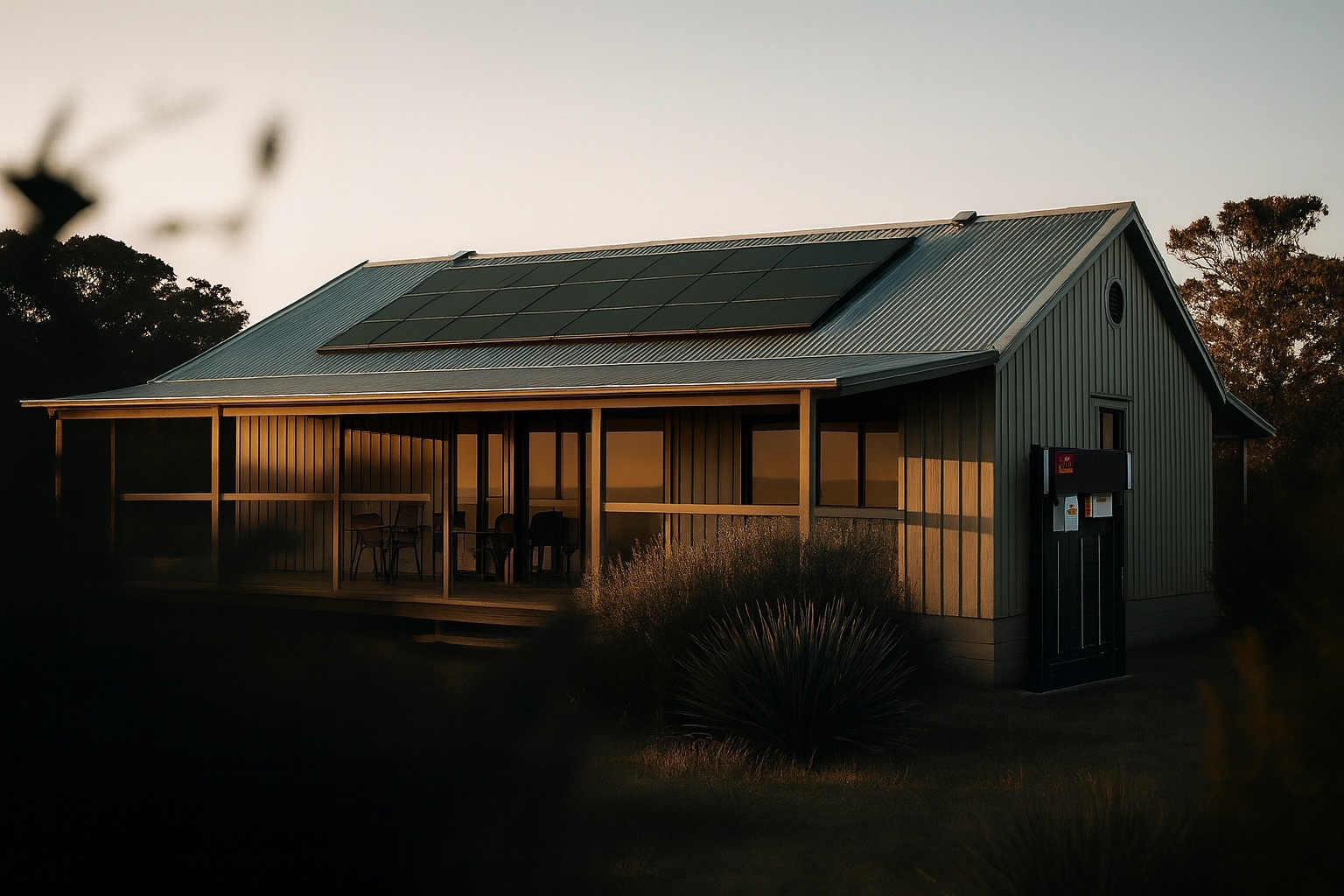
Enough stored power to run your whole property for days on end. Storms roll through, the grid flickers, the bill never comes — and inside, nothing changes. The kettle boils. The freezer hums. Life just keeps going.
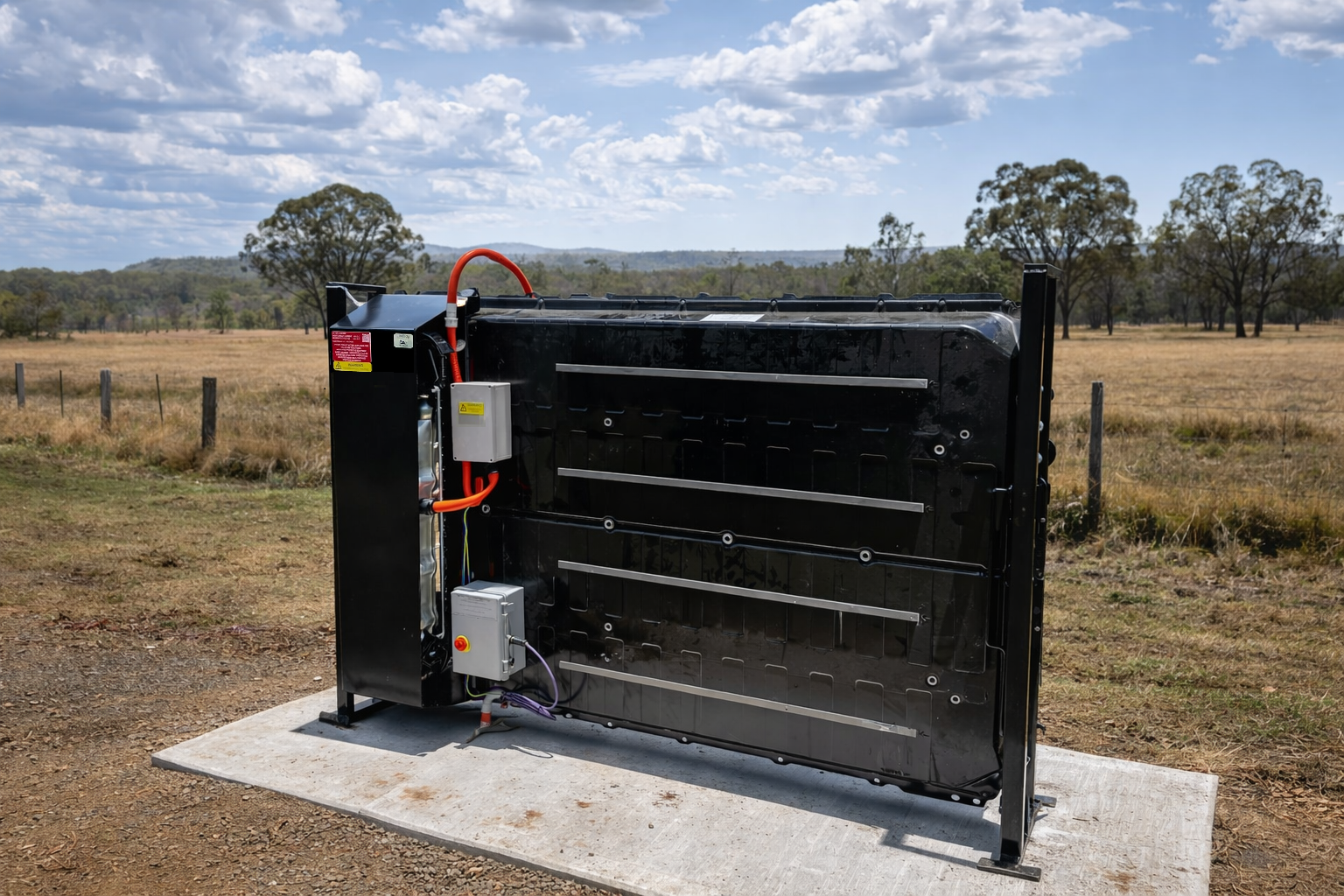
EV packs are built to run a car at highway speed — vastly more capacity than any house needs. We rescue the good ones and sign them off for a second life.
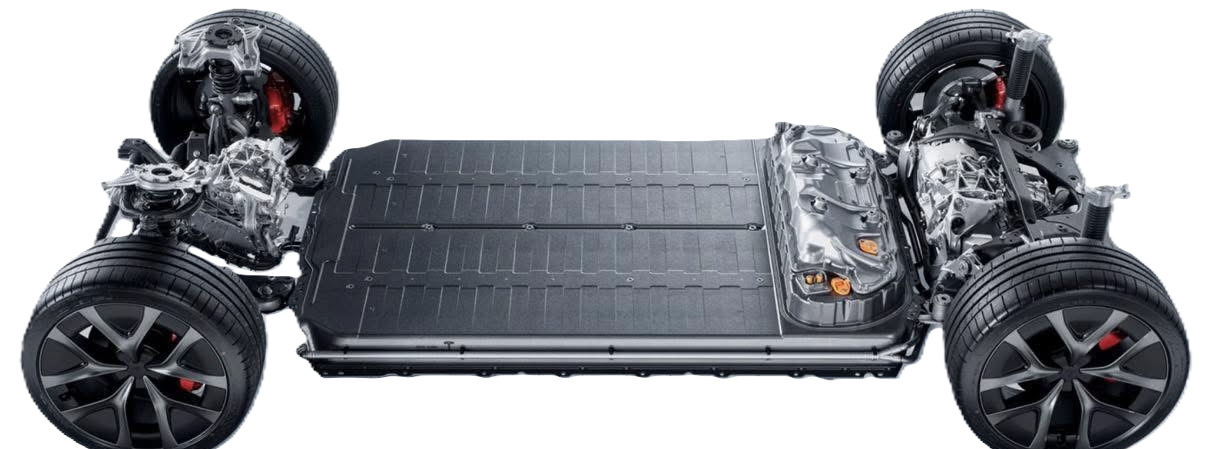
We assess every candidate individually. Health, capacity, history, physical condition — everything on paper before it earns a spot.
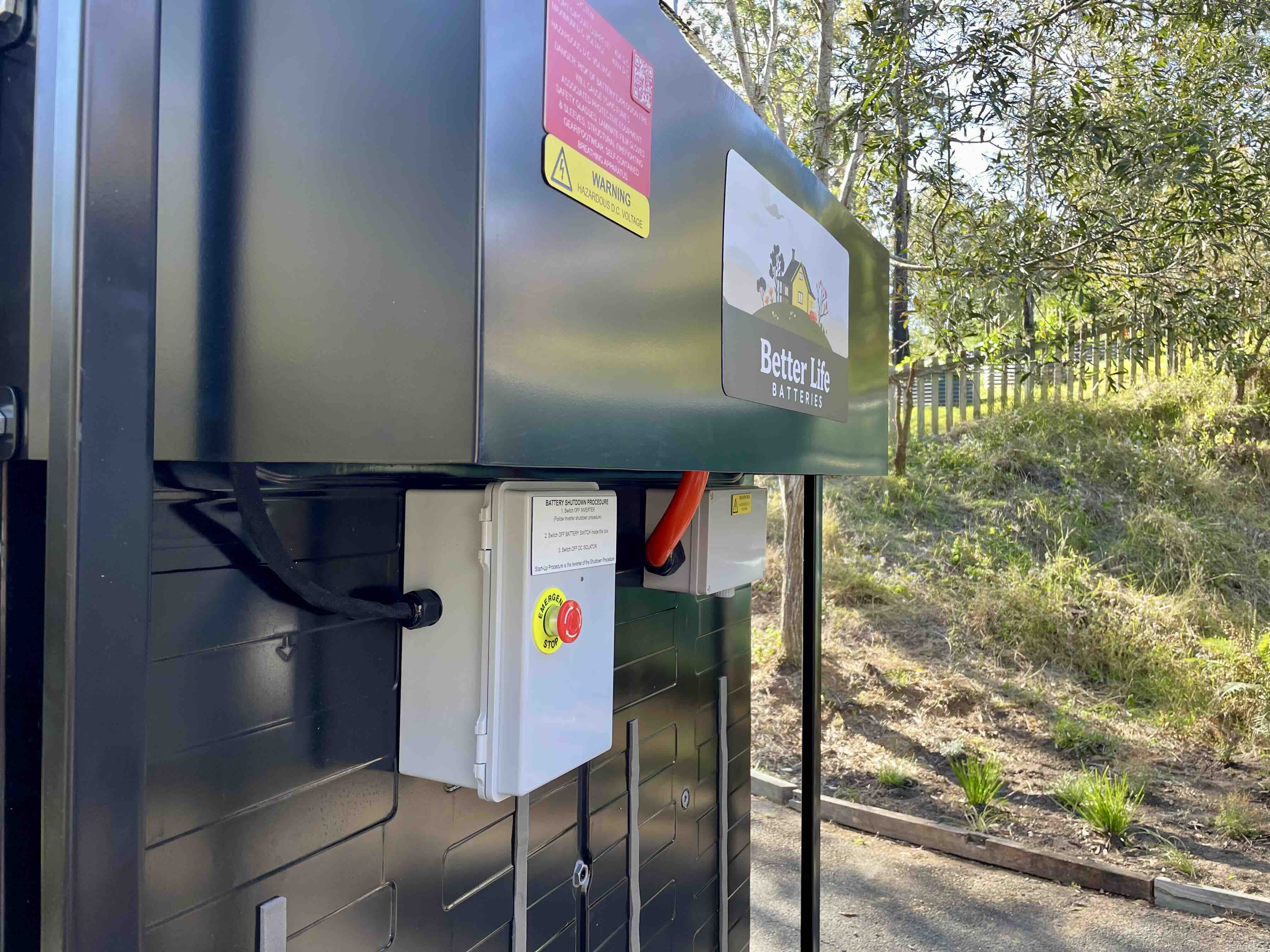
Our own communication layer translates between the pack's original Battery Management System and your solar inverter. The factory safety stays intact.
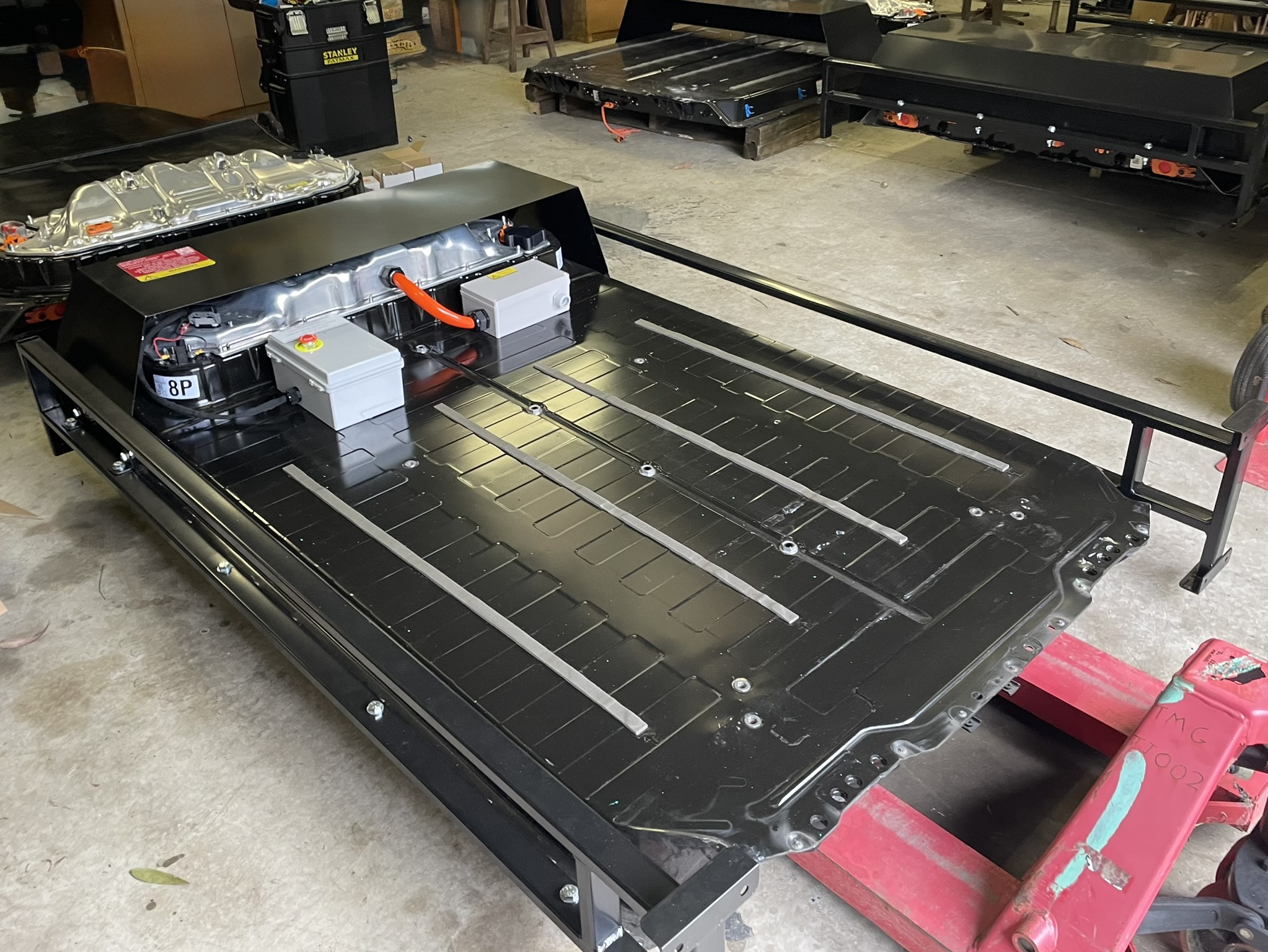
Full charge-discharge cycle, voltage checks, thermal review, and a written health report — signed off by a chartered engineer before it leaves the workshop.
We support your licensed installer on inverter configuration and sign-off. You deal with the local sparky you already trust; we make sure they have what they need. Don't have one? We can recommend accredited independent electricians with solar and battery installation experience.
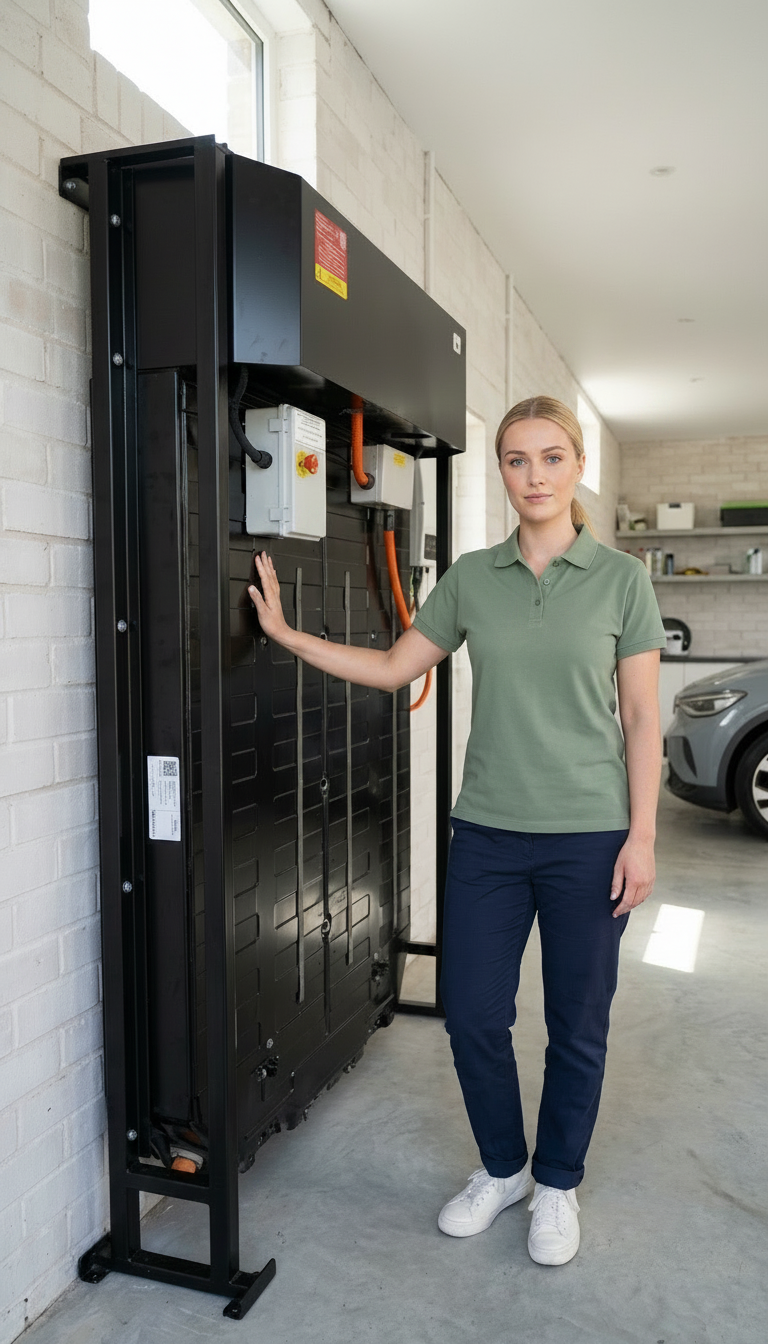
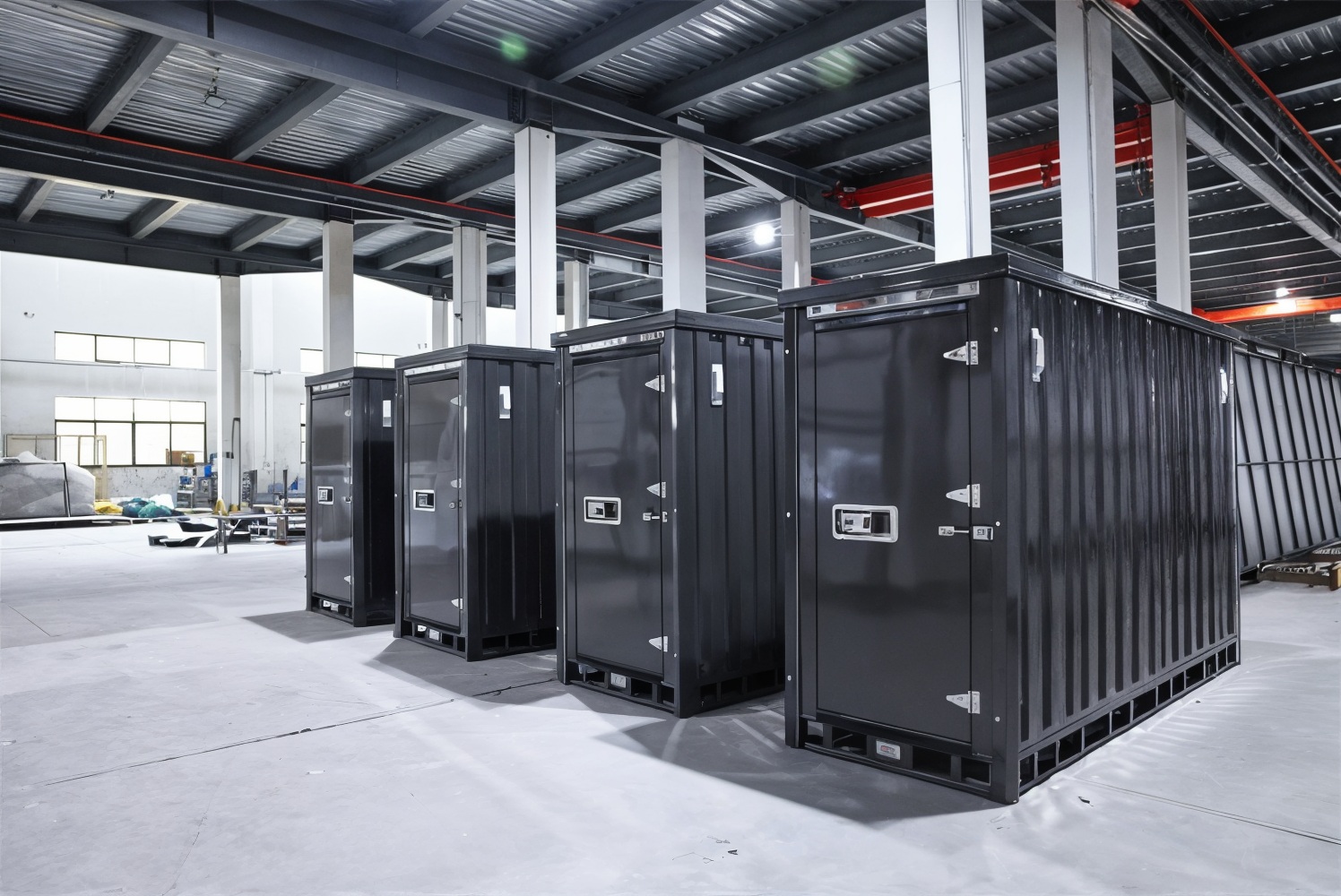
These aren't cobbled-together cells. They're whole factory packs — kept intact, kept under their original management system, and signed off by a chartered engineer. Safer, less complicated, and more boring than you'd think.
Not charts. Not kilowatt-hours. Just the ordinary moments that stop being a problem.
Grid drops. You don't notice until morning, when you read about it in the paper.
Blackout ↻Air-con runs all afternoon. The freezer out back stays full. No-one's rationing.
Peak loadHot shower, kettle on, heater by the window — all running off sun you stored three days ago.
Stored sunThe mailbox stops bringing bills. You almost miss the envelope. Almost.
$0 billThe neighbours fire up the diesel. You top up the kettle and put a roast on.
Days of backup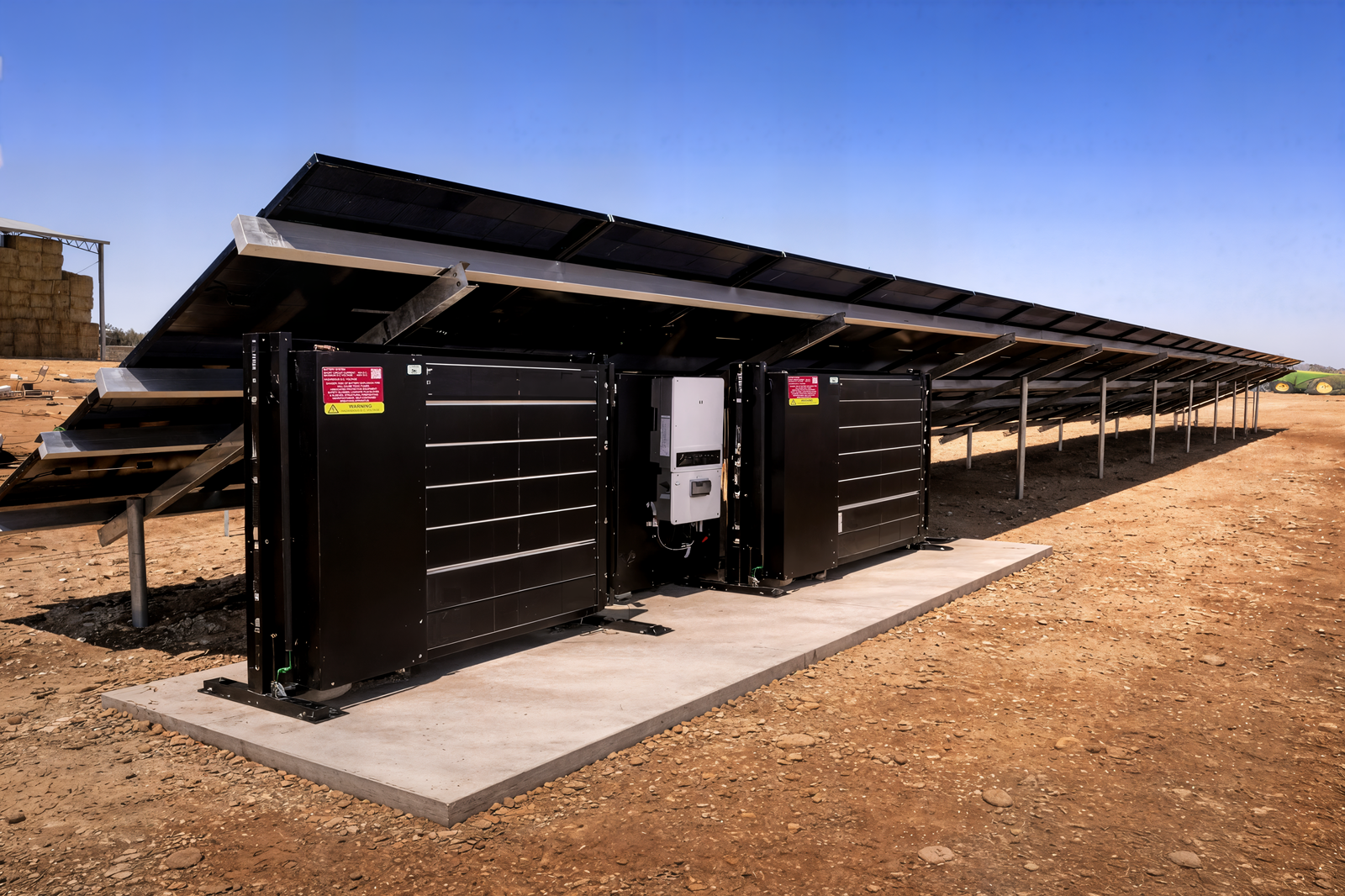
Not a feature list — what your week looks like six months after install.
Most owners wipe out their grid use entirely. A few keep a tiny connection — and send power back instead of buying it.
$0 to $40 per quarterThe bore keeps pumping. The cold room stays cold. The kids don't notice the grid went out for fourteen hours.
Days of whole-property backupNo more 2 AM diesel starts. No jerry-can runs to town. No noise at the back of the property.
Gen-set retiredBig peak loads — welders, pumps, cold rooms — just work. Plenty of headroom, built for a car's drivetrain.
High-peak outputA second useful life for something built to last. Kinder to the paddock and the landfill alike.
Circular, by designOff-grid, on-grid or somewhere in between — you choose how connected you want to be. The power is already under your roof.
Grid-tied or fully off-grid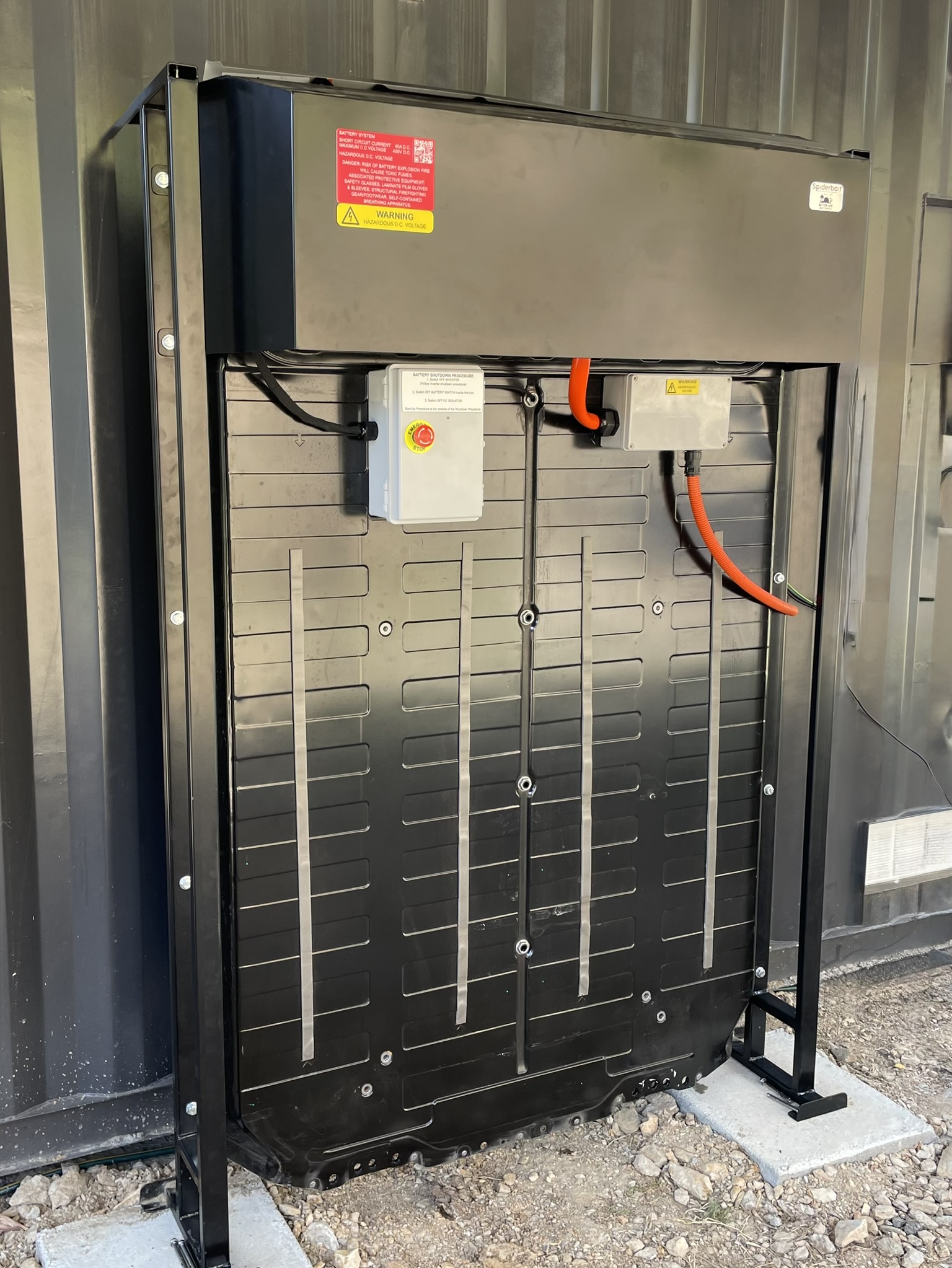
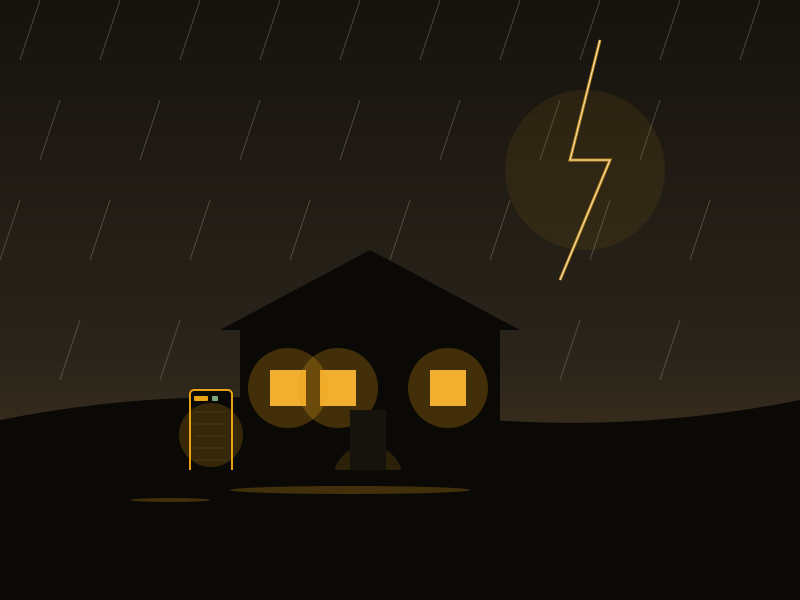
Same property. Same weather. Same family. One before a Better Life pack went on the wall, one after.
Three kinds of household we see on site, week in, week out.
Acreage, kids, a freezer full of mince, and three hours from the nearest sparky after hours. You want the house to stay on, full stop.

Pumps, welders, pressure cleaners, cold storage. Loads that shrug off cheap batteries. You want headroom — and you want the diesel retired.
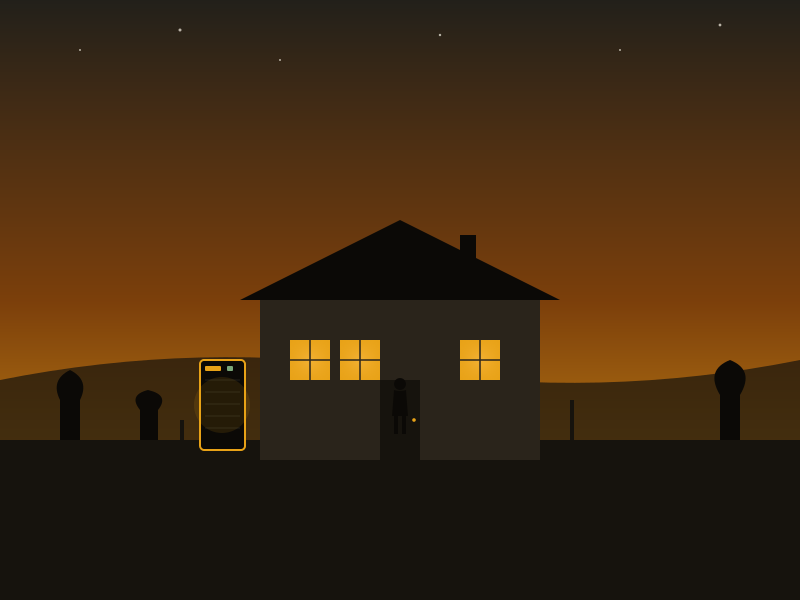
No poles, no transformer, no quarterly envelope. Just a well-sized solar array and a battery bank big enough that you never have to think about it.
Six things people actually ask us before committing.
Suburb or paddock. What you're running. Whether the grid's still welcome. We'll reply with a straight answer, not a sales pitch — usually same day.